
Can You Sue for PTSD After a Car Accident in Georgia?
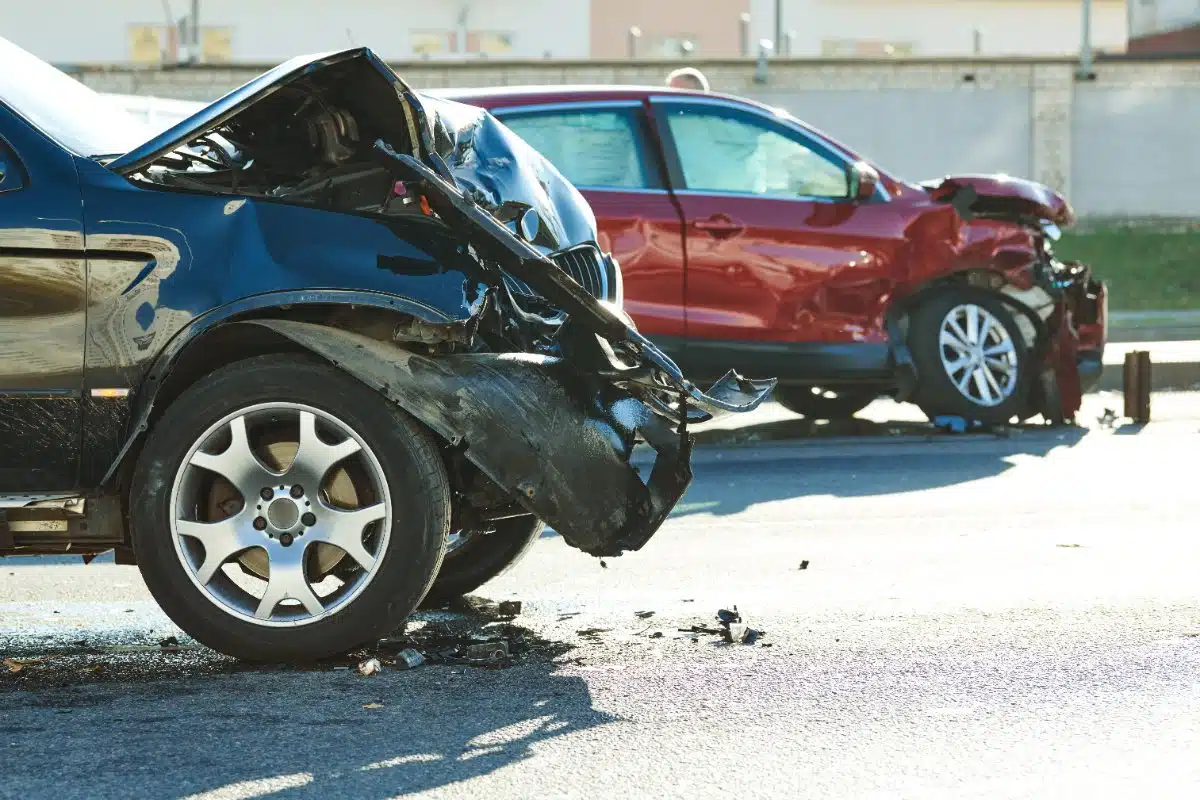 According to a 2025 study, nearly 25% of all car accident survivors go on to experience symptoms of post-traumatic stress disorder (PTSD) for as long as three years following an accident. Even survivors of relatively minor accidents report PTSD-related symptoms for months after a crash and may require mental health treatment to move towards recovery.
Many people think of car accident injuries as physical. The reality is often more complicated. PTSD symptoms can disrupt multiple aspects of a survivor’s life and lead to a variety of unforeseen costs. To address some of these challenges, some traumatized accident victims pursue compensation for their emotional distress and related costs. Here’s a brief overview of how PTSD-related damages can factor into car accident claims in the state of Georgia.
What is PTSD?
Post-traumatic stress disorder is a mental health diagnosis that is used to describe a set of symptoms that can develop after someone experiences or witnesses a traumatic event. Many car accident scenarios are inherently traumatizing and destabilizing for survivors and witnesses alike, and serious accidents may trigger the onset of severe PTSD symptoms.
To meet the criteria for PTSD set forth in the DSM-V-TR, an individual must have been directly or indirectly exposed to a traumatic event and exhibit symptoms for at least one month following that exposure. Symptoms assessed in the diagnosis of PTSD include:
- Recurrent, involuntary, intrusive or disturbing memories
- Nightmares
- Flashbacks
- Intense feelings of distress when reminded of the event
- Avoidance of thoughts, feelings, memories and other triggers
- Memory loss related to the event
- Changes in mood, thought patterns and/or beliefs
- Emotional numbness or detachment
- Trouble sleeping
- Problems with concentration
- Hypervigilance
For some people, these symptoms make everyday tasks like grocery shopping or going to work feel almost impossible. In these cases, people often turn to mental health providers for help. These professionals can provide a diagnosis of PTSD if a patient presents with the right combination of symptoms. The treatment of PTSD may require a combination of traditional talk therapy and psychiatric medications, and some patients also engage in supplementary treatment options like group therapy or somatic healing interventions.
Does PTSD qualify for compensation in a car accident claim?
While some accident victims can quickly recover from the psychological toll of a crash, others experience symptoms that end up interfering with their daily lives. When symptoms persist to the point that they impact a survivor’s ability to fully engage at work, home or other environments, they may be entitled to compensation. It is important to note that Georgia follows the impact rule. This means a plaintiff may not seek damages for emotional distress stemming from another’s negligent conduct if there was no physical impact to you.
In the context of a personal injury lawsuit, emotional distress like PTSD usually qualifies as a non-economic damage (think “pain and suffering”). However, mental health conditions may lead to economic losses as well. For example, some car accident survivors with PTSD avoid riding in vehicles or develop an intense fear of leaving their home. This can significantly impact a person’s ability to return to work full-time after an accident and subsequently lead to a reduction in wages or total job loss.
Additionally, the treatment of PTSD can require intensive therapeutic care as well as psychiatric and medication management services. All of these treatment options require a level of financial investment that may be inaccessible to some accident victims. By factoring these costs into a personal injury lawsuit, survivors can ensure they have the funds they need to prioritize their emotional recovery as well as their physical recovery.
How to prove PTSD in a personal injury claim
Unlike physical injuries, emotional distress isn’t always readily apparent – even to victims themselves. PTSD symptoms can take time to develop and the condition isn’t even diagnosable until a victim crosses the 1-month post-accident mark. Just like documentation and testimony from witnesses can help to support claims related to physical injuries, a wealth of evidence can and should be used to paint a clear picture of an accident survivor’s psychological prognosis.
Some forms of evidence that can help convey the severity of an accident victim’s emotional distress include:
- Clinical diagnostic information from a mental health professional like a therapist, psychologist or psychiatrist
- Records of therapeutic care after the accident
- Expert testimony outlining diagnostic criteria for PTSD and other trauma-related mental health conditions
- Testimony from friends, family members, coworkers, etc. describing how the victim’s PTSD symptoms have impacted their functioning across various aspects of their life
In practice, accident survivors must show that their PTSD symptoms are directly related to the accident for which they are filing a claim. The more documentation someone can provide to demonstrate this link, the more effectively they can argue for compensation for their emotional distress and related losses.
What kinds of compensation are available for emotional injuries?
As noted above, accident survivors suffering from PTSD may be entitled to compensation for a variety of economic and non-economic damages related to their emotional suffering. Some common examples of damages sought in these cases include:
- Therapy bills
- Psychiatric medication costs
- Lost wages
- Reduced long-term earning capacity
- Pain and suffering
- Alternative transportation expenses (when medically necessary and the direct result of PTSD symptoms)
Keep in mind that these cases are fact-specific and plaintiffs must be able to show the clear link between their accident, their PTSD and their expenses in order to recover compensation. Georgia generally doesn’t place a cap on economic or non-economic damages, so it’s important to work with an experienced car accident lawyer who can help you calculate the full and fair value of your claim.
Another important reminder: Georgia follows a modified comparative negligence system when assigning fault in personal injury cases. This means that accident victims must be able to show that they were less than 50% for their own injuries in order to recover compensation via insurance negotiations, mediation or civil suit.
What’s more, if a plaintiff is found to have contributed in some way to the accident that caused their injuries, any damages they ultimately receive will be reduced by the same percentage as their assessed level of fault. Your lawyer can help you deflect baseless claims of shared fault for your physical or emotional injuries and work to fight for the compensation you deserve under the law.
Final thoughts
Emotional injuries like PTSD – while sometimes harder to prove than physical injuries – are very real and potentially life-altering for many accident survivors. By pursuing a swift diagnosis and partnering with a knowledgeable personal injury attorney, you may be able to fight for the compensation you need to account for your emotional suffering and other related losses.
At Harris Lowry Manton, LLP, our personal injury team understands the nuances associated with quantifying emotional distress and are committed to helping clients access the resources they need to support their physical and emotional recovery efforts. If you’ve been diagnosed with PTSD after a car accident in Georgia, our team is standing by to learn more about how your life has been impacted by your diagnosis.
Fill out our online contact form to schedule a free consultation with a member of our team, and let’s discuss whether you might be within your rights to file a claim for damages related to your post-traumatic stress disorder.

One of the nation’s top trial attorneys, Jeff Harris is an award-winning litigator who handles high-profile, complex cases across a wide variety of practice areas. He excels at securing justice for clients who have been seriously injured or killed, holding responsible parties accountable for their actions and negligence.
Read more about Jeffrey R. Harris here.