
How Georgia Handles Diminished Value Claims After a Car Accident
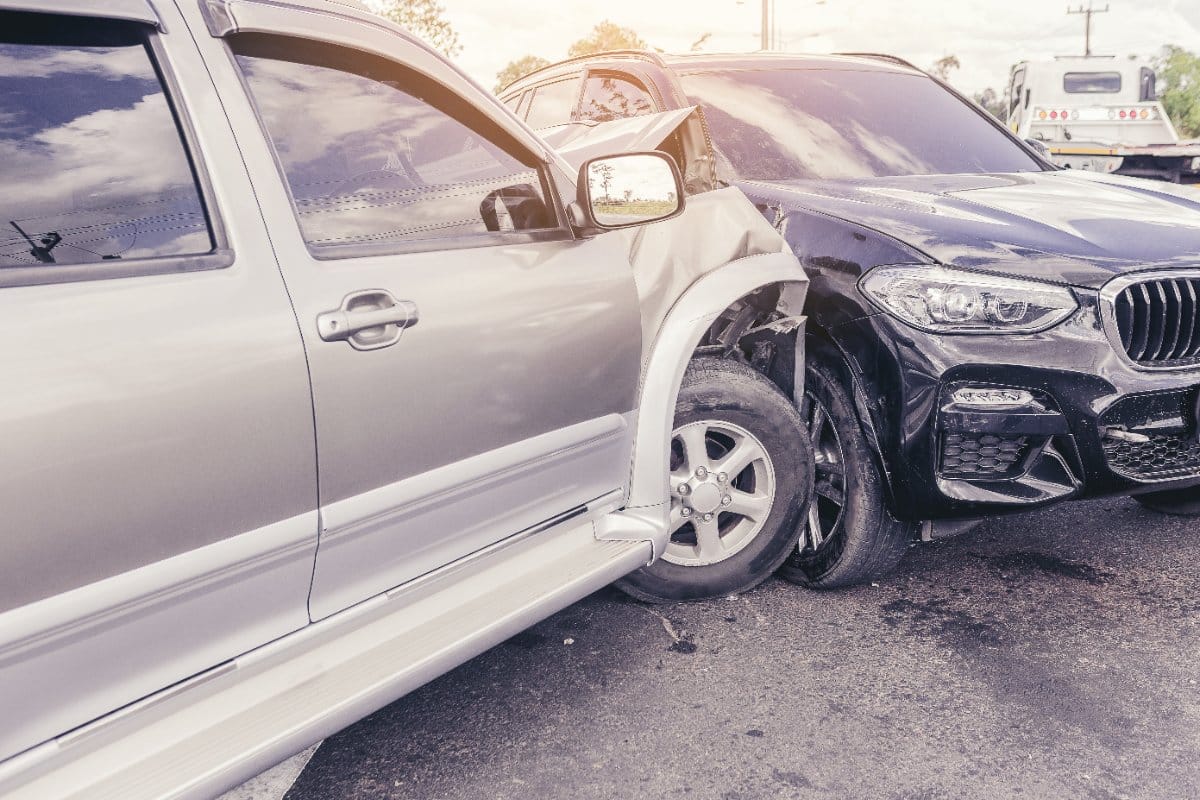 A serious traffic accident can leave you fighting an uphill battle against more than just repair bills and insurance claims. Once a damaged vehicle is fixed, a lot of drivers find out that their car is now worth less than it was before the crash. Even when repairs are done properly, buyers often take a dim view of paying full price for a vehicle that’s been in an accident. This loss in value is called diminished value. A Georgia car accident lawyer can help explain how these claims work and if you might be entitled to compensation after a crash.
Most people believe that the insurance process ends after the repairs are completed. Sometimes, Georgia law may permit drivers to recover compensation for the difference in value of the vehicle before and after the crash.
What is a diminished value claim?
Diminished value claims seek damages based on the idea that damaged vehicles often experience a loss in market value after a crash, even after they’re fixed.
Think of it like this: You have two identical used vehicles, one of which has a clean history, while the other was in a major accident. Many buyers are going to pay more for the one that was never damaged. Accident history reports follow a vehicle for years and may impact resale or trade-in value.
In Georgia, diminished value claims are commonly tied to damage caused by another driver. The claim focuses on the financial loss tied to the vehicle’s reduced market value rather than repair costs alone.
This type of claim can matter most when a car that was significantly damaged was newer, had low mileage, or had a strong resale value before the accident.
How does Georgia treat diminished value claims?
Georgia law is considered more favorable to drivers on diminished value claims than many other states. In some situations, insurance companies may have to consider diminished value as part of a property damage claim.
Generally speaking, when another driver causes a crash, the at-fault party’s insurer may be responsible for paying the difference between what the vehicle was worth before the accident and what it may reasonably be worth after repairs.
Georgia courts have recognized that proper repairs do not always fully restore a vehicle’s value. Even when repairs are done correctly, the vehicle may still carry what people sometimes call an “accident stigma,” meaning buyers may view it differently because of its history.
Because of this, simply paying for repairs may not always make someone financially whole after a collision.
How is diminished value calculated?
There’s no one-size-fits-all formula for a claim. The value is usually determined by the type of vehicle, the extent of damage, and the current market condition.
Insurers may take into account the age and mileage of the car, its condition before the accident, its repair history, and trends in the resale market. An appraiser or valuation specialist may inspect the vehicle and determine how much value it has lost.
For example, a brand-new luxury car that sustained serious structural damage will lose a lot more value than an older model vehicle that has a few scuffs and dents that can be wet-sanded and buffed out.
Insurance companies usually rely on complex formulas or internal systems to assess claims. Unfortunately, these methods don’t always reflect the actual resale value of a specific vehicle.
A Georgia car accident lawyer may sometimes help review whether an insurance company is undervaluing a diminished value claim after a serious accident.
Can you make a diminished value claim against your own insurance?
The answer often depends on your insurance policy and who caused the crash. In many cases, the diminished value claim will be filed with the at-fault driver’s insurance company. If someone else was responsible for the accident, their insurance company might be liable for damages related to your vehicle.
Some Georgia auto insurance policies may also cover first-party diminished value claims when a vehicle is repaired but loses value after a crash. Whether compensation is available often depends on the policy, what happened in the accident, and whether or not the loss in value can be demonstrated.
What evidence helps support a diminished value claim?
Evidence is often an important factor in these cases. Insurance companies might want proof that the car really did depreciate after repair.
Repair estimates, repair invoices, photographs, vehicle history reports, appraisals, dealership trade-in evaluations, and market pricing information are all documents that can help support your claim. Sometimes professional opinions can also shed some light on the resale value of the vehicle after its accident history.
Keeping good records before and after an accident may make it easier to show the difference between a vehicle’s condition before and after the crash.
Timing can be important, too. Disputes can be harder to prove if you wait to speak with a Georgia car accident lawyer or take too long to raise concerns about diminished value, especially if the vehicle’s condition changes over time.
Why do insurance companies sometimes dispute these claims?
Insurance companies don’t always agree with drivers over the diminished value of their vehicle. Disputes can range from the extent of the damage and whether or not repairs have restored the property to its full value to the impact of market demand on the vehicle’s price.
Some insurers may argue that the car still has a good resale value or that the loss is not as high as reported. Others have formulas that drivers feel are not really representative of the actual market loss of the vehicle.
If you believe your car was devalued after an accident that was not your fault, speaking with a Georgia car accident lawyer can help you understand what you may be able to do. Harris Lowry Manton LLP can help you understand diminished value claims after a serious crash. To schedule a consultation, call or fill out the online contact form.

One of the nation’s top trial attorneys, Jeff Harris is an award-winning litigator who handles high-profile, complex cases across a wide variety of practice areas. He excels at securing justice for clients who have been seriously injured or killed, holding responsible parties accountable for their actions and negligence.
Read more about Jeffrey R. Harris here.